

Which Beauty Course Is Most Profitable? Look Beyond the Course Fee
Before you invest in a beauty course, ask yourself: what will it take to turn that training into paying appointments?
A treatment with a high price tag may look like the obvious choice. But the amount a client pays does not tell you how much you will keep—or how much you need to invest before your first booking.
Your course fee, equipment, products, appointment time and ability to attract clients all influence your earning potential.
Nails, makeup, hair and microblading can all lead to rewarding businesses. If your goal is to earn extra income alongside your current job, it helps to understand how each pathway fits your budget, available space and lifestyle.
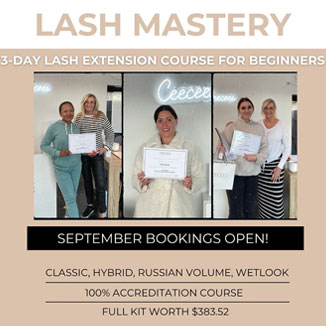
At Ceecees Beauty and Training Academy, we have seen students complete a short course, develop their skills and begin taking paying clients soon afterwards. Some have generated enough revenue from their first few appointments to cover their course fee.
That is exciting to witness. It also raises a useful question: which beauty skill gives you a practical starting point for your own goals?
What Does “Profitable” Actually Mean?
Revenue is the money clients pay you. Profit is what remains after your business expenses.
Those expenses can include treatment products, disposables, payment processing, insurance, marketing, premises and equipment. Your time matters too—even when you are running the business yourself.
For example, imagine a treatment priced at $100 with $15 in products and other direct appointment costs. That leaves $85 towards your ongoing business expenses, recovering your initial investment and paying yourself.
If the full appointment takes 90 minutes, including preparation and cleaning, that is approximately $57 per working hour before ongoing expenses and tax.
This is an illustrative calculation, rather than an expected earning figure. It shows why comparing treatment prices alone can be misleading.
Nails: Creativity, Repeat Appointments and a Growing Product Collection
Nail services offer many directions, including manicures, gel polish, extensions and detailed nail art.
The equipment and products you need depend on your chosen services. Your setup may include a manicure table, task lighting, curing lamps, tools, hygiene supplies, suitable ventilation and a selection of polishes, gels or extension products.
What affects the investment?
A focused service menu can help keep your initial product collection manageable. Offering many colours, systems and designs means buying and maintaining more stock.
You also need to account for consumables and replacement tools, rather than treating the initial kit as your only expense.
What affects your earning potential?
Appointment length is a major consideration. Detailed designs, removal, repairs and extensions can increase the time required. As a beginner, your appointments may take longer while you develop consistency and speed.
Repeat appointments can support an ongoing client relationship, but each booking still needs to be priced for the work involved.
Before choosing nail training, ask: Which services will I offer first, what products do they require, and how long will each appointment realistically take me?
Makeup: A Flexible Service with a Diverse Kit
Makeup artistry can lead to work in weddings, events, photography and other settings.
A professional kit needs to accommodate different skin tones, skin types and preferences. That may involve multiple foundation and concealer shades, skin preparation products, brushes, eye and lip products, disposables and hygiene supplies.
What affects the investment?
You can build your kit gradually, but it needs to be suitable for the clients you accept. Product expiry, hygiene and replenishment create ongoing costs.
Good lighting and a practical way to transport and organise your kit may also form part of your setup.
What affects your earning potential?
Mobile appointments involve more than application time. Travel, parking, setup and packing can all affect what you earn from a booking.
Event work may also concentrate demand into particular days and times. Consider whether that schedule suits your existing job and family commitments.
Before choosing makeup training, ask: Who are my intended clients, what kit will I need to serve them, and will I work from one location or travel?
Hair: Different Services Require Different Commitments
Hair offers a broad range of pathways, from event styling to cutting and colouring.
Your intended service menu determines the scope of training and the equipment you need. A focused styling service has different requirements from a business offering cutting, colour and washing services.
What affects the investment?
Depending on your services, you may need washing facilities, suitable seating, mirrors, storage, electrical tools and a range of products.
Colour services can involve maintaining stock across different shades and formulations. Your workspace also needs to support the services you intend to provide.
What affects your earning potential?
Consultation, preparation, processing and finishing all contribute to appointment time. Product use can also vary between clients.
Offering a broad service menu creates more learning and stock requirements, so it helps to decide whether you want a narrow specialisation or a comprehensive hairdressing pathway.
Before choosing hair training, ask: What exactly do I want to offer, and what training and workspace will that service require?
Microblading: Specialist Work with Lasting Results
Microblading may appeal to people who enjoy detailed brow work and want to specialise in a treatment with lasting effects.
The treatment price is only one part of the business model. Specialist training, practice, equipment, hygiene procedures, insurance and the requirements for offering skin penetration treatments all need careful consideration.
What affects the investment?
Consider the full pathway from training to offering appointments. Ask what equipment and products are included, what additional practice is expected, and what requirements apply to your intended premises and location.
What affects your earning potential?
Consultation, treatment planning, the procedure itself and follow-up appointments can all contribute to the time spent on one client.
If a touch-up is included in your price, its time and product costs need to be included in your calculations.
Client trust is particularly important. People want confidence in your technique, judgement and healed results before committing to a treatment with lasting effects.
Before choosing microblading training, ask: What is the total cost of becoming ready to offer this service, and how much work is included in each client’s quoted price?
Lash Lifts and Brow Services: A Focused Starting Point
For someone seeking a manageable first step into beauty, lash lifts and brow services are worth exploring.
A focused service menu can make it easier to understand what you need to learn, buy and practise. These services can also use a relatively compact treatment setup.
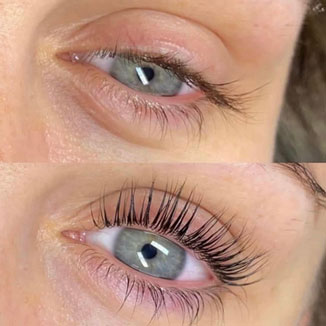
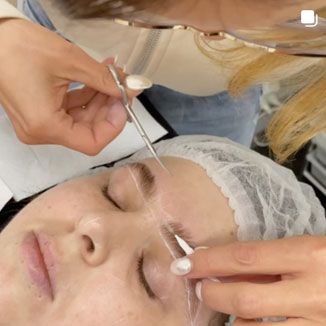
At Ceecees, our Korean Lash Lift & Tint course takes approximately four hours. Our one-day Brow Mastery course covers mapping, shaping, waxing, tinting, hybrid dye and lamination.
What affects the investment?
You still need a suitable treatment space, lighting, equipment, professional products, hygiene supplies and insurance.
When comparing kits, check how many treatments the products can support, their storage instructions and their usable life after opening. A kit’s purchase price alone does not tell you its cost per appointment.
What affects your earning potential?
Your pricing, appointment time, product use and ability to attract clients all matter.
Offering complementary lash and brow services may give clients more choice. However, combined appointments need enough time for consultation, safe treatment and cleaning, and their prices must cover both services.
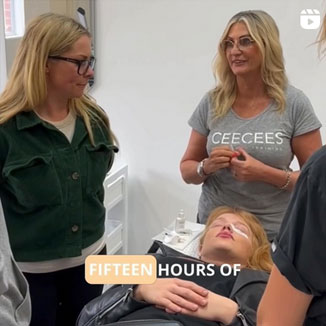
Our small classes and live-model training give students the opportunity to ask questions, receive feedback and apply their learning. Continued practice helps develop confidence, consistency and efficiency.
Before choosing lash or brow training, ask: Which service would I enjoy offering, what is included in the course, and what will I need before accepting paying clients?
Compare the Whole Business Model
Before booking any course, compare these factors:
| Factor | What to find out |
|---|---|
| Training | Course length, practical experience, feedback and further practice needed |
| Initial setup | Equipment, products, workspace and costs beyond the course fee |
| Cost per appointment | Product quantities, disposables and payment fees |
| Total appointment time | Consultation, preparation, treatment, cleaning and follow-up |
| Client demand | Who would book the service and how you would reach them |
| Ongoing expenses | Insurance, stock replacement, marketing and premises |
| Personal fit | Whether you enjoy the work and can offer it consistently |
There is no single beauty course that will be the most profitable for everyone. A service works best when its costs, demand and practical requirements fit the person offering it.
How Many Clients Would It Take to Recover Your Investment?
A useful calculation is:
Amount you want to recover ÷ money left per appointment after direct costs = approximate appointments needed.
For example, if you want to recover $500 and each appointment leaves $80 after direct treatment costs, you would need approximately seven appointments.
This simplified example does not include ongoing business expenses or tax. It helps you begin planning, but it is not a complete profit calculation.
Also be clear about what you are recovering:
- Your course fee: The amount paid for training.
- Your full startup investment: Training plus equipment, products and setup.
- Your ongoing business costs: Expenses that continue after you start taking clients.
Covering the course fee is a meaningful milestone. Understanding the full costs helps you see when your business is actually earning a profit.
Your First Clients Matter- but So Does Keeping Them
Getting an initial booking and building regular income are different stages.
Early bookings may come through people who already know you, referrals or examples of your work shared with consent. Turning those bookings into a sustainable business depends on the experience you provide.
Clients value clear communication, careful consultation, good hygiene, consistent treatment quality and useful aftercare advice.
You also need to allow time for the work outside appointments: answering enquiries, managing bookings, cleaning, ordering stock and promoting your services.
Planning for that time helps you choose a schedule you can maintain.
What We See at Ceecees
One of the most rewarding parts of running our academy is seeing students put their learning into action.
We have seen students begin taking paid appointments soon after training and bring in revenue towards recovering their course fee. For some, that happens within their first few clients.
Results differ according to pricing, practice, expenses and access to clients. But these experiences show that a short course can be a practical beginning for someone ready to develop their skills and take the next steps.
Start with One Skill and Build from There
You do not need to offer every beauty treatment from the beginning.
Choosing one service allows you to focus your practice, understand your costs and develop a clear offer for clients. As you gain experience, you can decide whether to add complementary services or pursue a different specialisation.
The right starting point balances your interests with a realistic business plan.
Ready to explore your options?
Contact Ceecees Beauty and Training Academy in Caulfield South, Melbourne, to discuss Korean Lash Lift & Tint, Brow Mastery, Threading, Lash Extensions and Facial Mastery training.
We can explain what each course covers, what is included and what you may need to get started.
Your Beauty Career Starts Here.